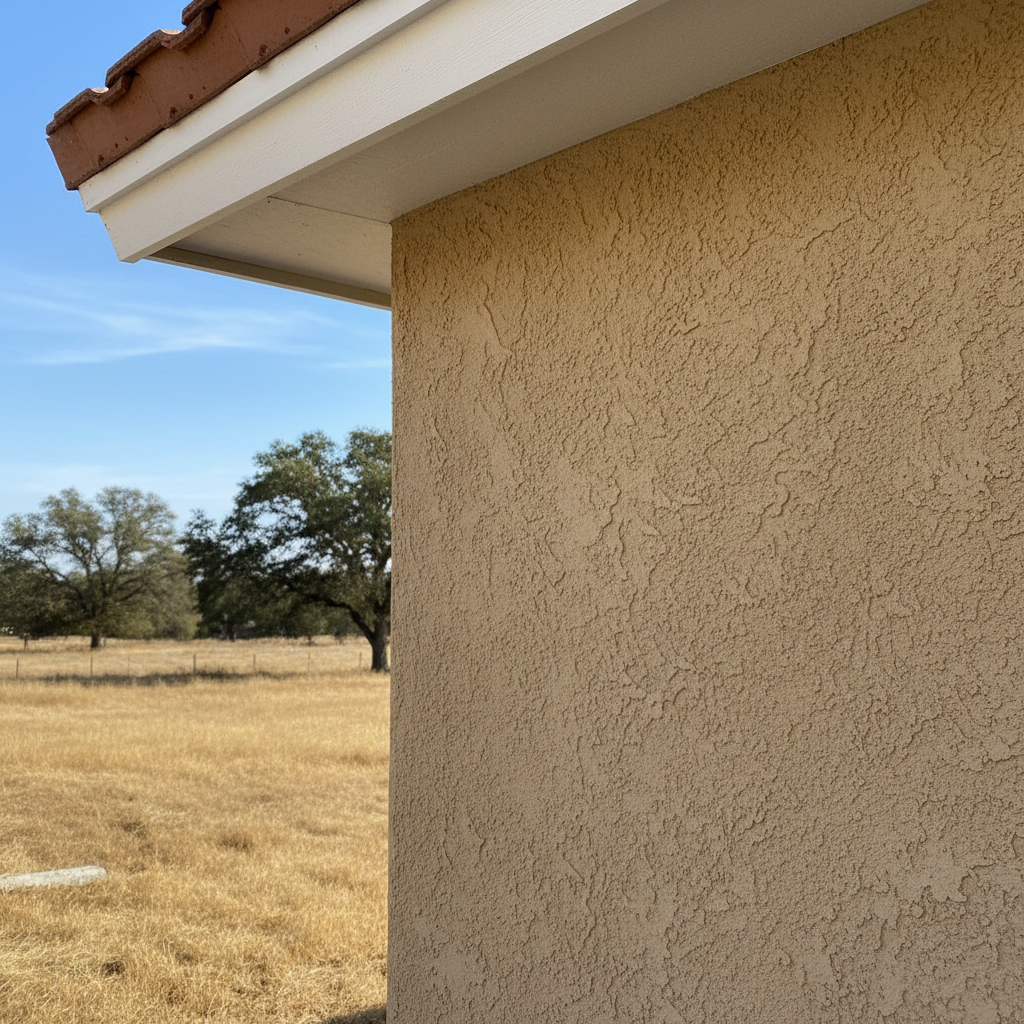
Alright, let's talk about stucco inspection. You've got stucco on your Turlock home, and you want to make sure it's holding up, right? That's smart. Stucco is tough, but it's not invincible, especially with our hot summers and those occasional, heavy winter rains that can really test a home's exterior. Knowing what to look for now can save you a ton of headache and money down the road.
Before You Start Looking: Get Prepared
Before you even step outside, you need a game plan. Think of it like this: you wouldn't just wander into a repair job without the right tools, and inspecting your stucco is no different. You'll want a few things handy:
- A notepad and pen, or your phone, for notes and pictures.
- A good flashlight, even during the day, for peering into shaded spots or under eaves.
- Binoculars can be helpful for those high areas you just can't reach.
- A small rubber mallet or a plastic-handled screwdriver. This is for 'tap testing' – I'll tell you more about that in a bit.
- A ladder, if you're comfortable using one safely, to get a closer look at second-story areas or around windows.
Also, pick a good day. You don't want to be doing this in the pouring rain or when it's scorching hot. A clear, bright day is best so you can see everything clearly, you know?
Your DIY Stucco Inspection: What to Look For
This is where you put on your detective hat. You're looking for signs that your stucco might be compromised. Here's what I tell folks to keep an eye on:
Cracks
Cracks are probably the most common thing you'll spot. Not every crack means disaster, but some definitely need attention. Hairline cracks, especially those that look like spiderwebs, are usually just in the finish coat and often cosmetic. You can monitor these. However, cracks wider than 1/8 inch are a different story. These can signal structural movement or issues with the stucco system itself. Diagonal cracks radiating from window and door corners? That's a classic sign of foundation issues. Horizontal cracks along a wall might mean the stucco is separating from the lath. If you see cracks like these, especially if they're getting bigger, it's time to call a pro.
Stains and Discoloration
Dark streaks, patches, or general discoloration on your stucco usually point to moisture intrusion. Look for staining below windowsills, at the base of walls, and around any fixtures like hose bibs or vents. If you see white, powdery mineral deposits, that's called efflorescence, and it's a clear sign that water is getting into the stucco, dissolving minerals, and leaving them behind as it evaporates. While efflorescence itself isn't structurally harmful, it screams